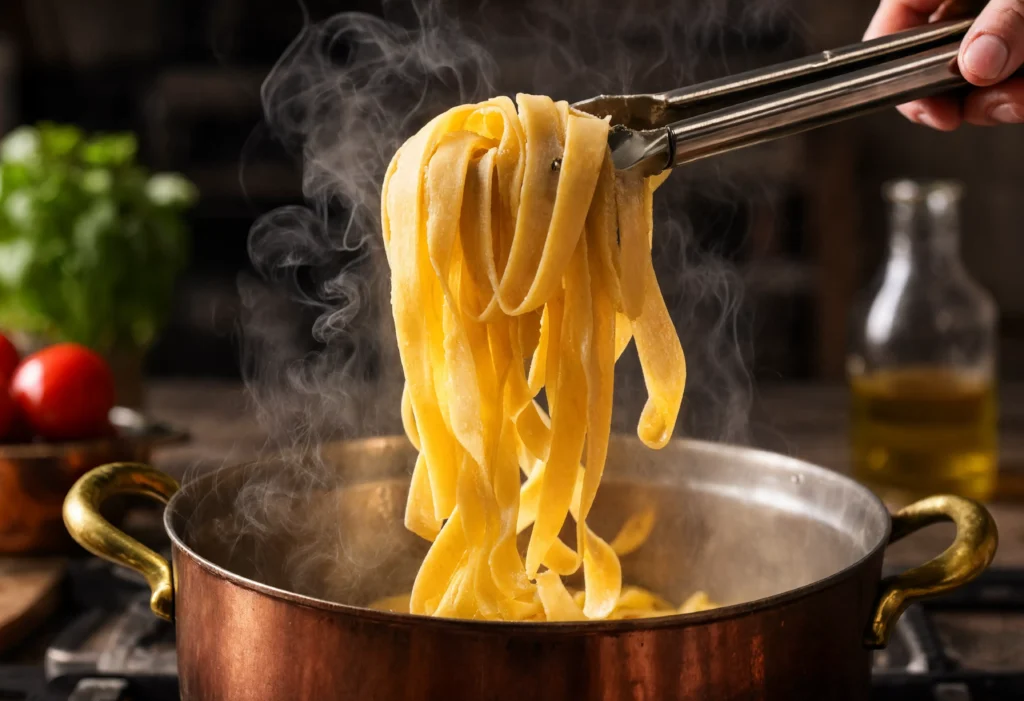
Imagine twirling a fork into a steaming bowl of silky, hand-made fettuccine. The aroma of fresh semolina and just a whisper of egg rises as the pasta, tender yet with a gentle bite, perfectly cradles your sauce. This isn’t the experience of ordinary dried pasta from a box — this is fresh pasta, a living ingredient that transforms in minutes from delicate nests into restaurant-quality Italian comfort.
Yet many home cooks, even experienced ones in Vancouver, struggle with fresh pasta. One extra minute and that premium product turns mushy. The good news? Mastering how to cook fresh pasta is simpler than you think. This definitive guide delivers chef-approved techniques, precise fresh pasta cook times, and insider secrets to achieve al dente perfection every time.
Whether you’re a busy Vancouver foodie seeking quick gourmet meals or a health-conscious home cook exploring organic pasta in Vancouver, you’ll discover why fresh pasta deserves a permanent place in your kitchen. And the best part? Vancouver’s own Fresh Solo Pasta makes it effortless to source premium, hand-crafted options that elevate every dish.
Fresh Pasta vs. Dried Pasta: What’s the Difference?
Understanding the fundamental differences between fresh and dried pasta explains why cooking methods vary so dramatically.
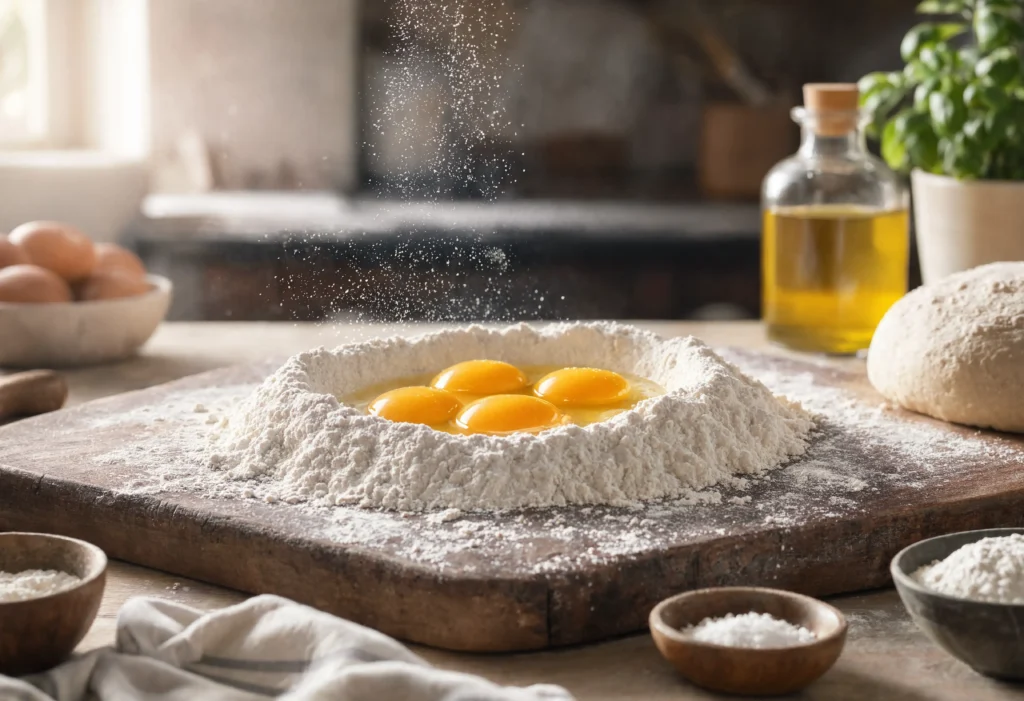
Traditional dried pasta is made from durum wheat semolina and water, then extruded and dried for long shelf life. This creates a firm, dense texture that holds up well in hearty sauces and requires 8–12 minutes of boiling.
Fresh pasta, by contrast, combines high-quality semolina or Tipo 00 flour with eggs (or water for egg-free varieties). Artisans hand-roll or extrude the dough, resulting in a tender, porous structure. This silkier texture allows fresh pasta to absorb sauces beautifully while cooking in just 2–4 minutes.
The flavor difference is striking too. Fresh pasta tastes cleaner and more nuanced because it avoids the toasty, concentrated notes that drying imparts. Nutritionally, fresh pasta made with premium ingredients often feels lighter and more digestible. Many Vancouver diners seeking vegan Italian food in Vancouver or halal-friendly options appreciate that top producers now offer excellent egg-free and organic versions without compromising texture.
Premium fresh pasta, such as the hand-made fettuccine from Fresh Solo Pasta, uses organic flours that enhance natural wheat flavor and support better digestibility — exactly what health-aware home cooks look for.
How Long to Cook Fresh Pasta: The Golden Rules
Fresh pasta cook time is dramatically shorter than dried, making it ideal for weeknight dinners. Overcooking is the most common mistake, so timing is everything.
Here’s a quick-reference guide for popular shapes:
- Fettuccine / Tagliatelle: 2–3 minutes
- Pappardelle: 3–4 minutes
- Filled Pasta (Ravioli, Tortellini): 3–4 minutes (they’re ready when they float)
- Spaghetti or Linguine (fresh): 2–3 minutes
- Short shapes (like farfalle): 3–4 minutes
Always start testing at the lower end of the range. Fresh pasta continues cooking slightly after draining, especially when tossed in hot sauce.
Step 1: Start with a True Rolling Boil
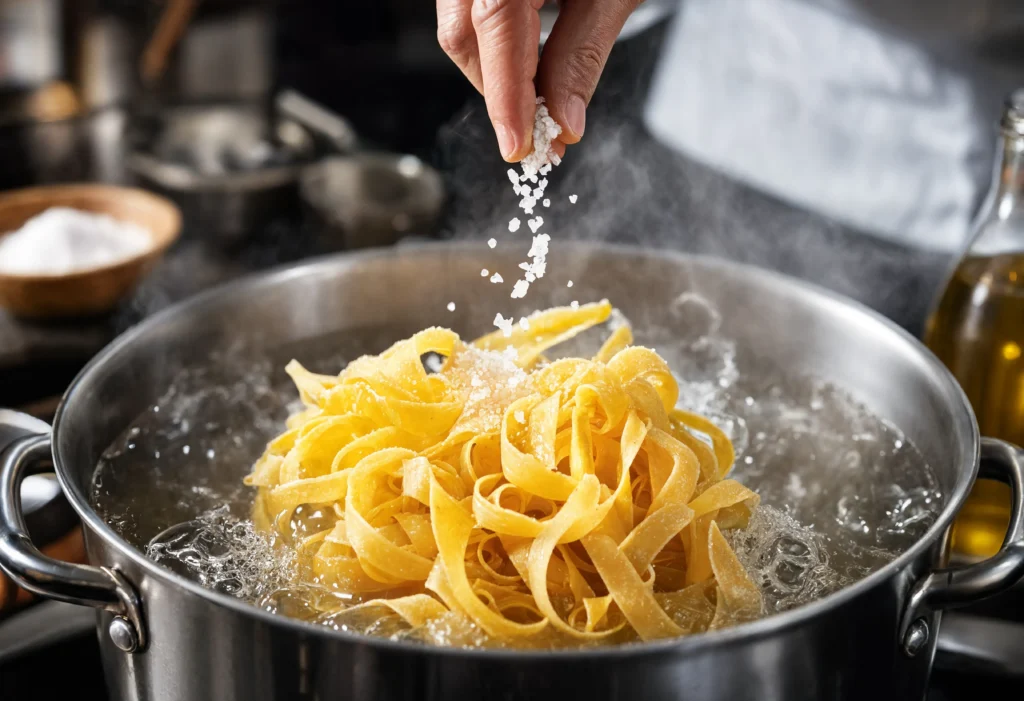
Use a large pot with plenty of water — at least 4 liters per 400g of pasta. This gives the strands room to move freely, preventing clumping. Bring the water to a vigorous rolling boil before adding salt and pasta. A proper boil ensures even cooking and that signature springy texture.
Step 2: Salt the Water “Like the Ocean”
This is non-negotiable. Add roughly 10g (about 2 teaspoons) of good sea salt or kosher salt per liter of water once the water is boiling. The salt seasons the pasta from the inside out — your only chance to flavor the dough itself. Well-salted water also raises the boiling point slightly, helping achieve that perfect al dente finish.
Step 3: Shake Off Excess Flour
Fresh pasta often arrives lightly dusted with semolina or flour to prevent sticking during storage. Gently shake the nests or strands over the sink or a plate to remove excess before adding to the pot. This prevents cloudy, gummy water and keeps your sauce clean and glossy.
Drop the pasta in all at once, give it a gentle stir with tongs or a fork to separate strands, and set a timer. Stir occasionally during the brief cook.
The Al Dente Test: Finding the “Soul” of the Pasta
Forget the package instructions alone. The most reliable way to check how long to cook fresh pasta is the traditional Italian method.
Remove a strand or piece with tongs and bite into it. You’re looking for a tender exterior with a tiny, pinhead-sized white core in the center — often called the “soul” of the pasta by Italian chefs. This faint white line means the pasta is perfectly al dente: cooked through but still offering a pleasant, satisfying bite.
Fresh pasta should never feel gummy or fall apart. With practice, you’ll develop an intuitive sense for when those delicate strands are ready. Trust your eyes and teeth more than the clock.
The Golden Rule of Saucing: Save Your Starchy Pasta Water
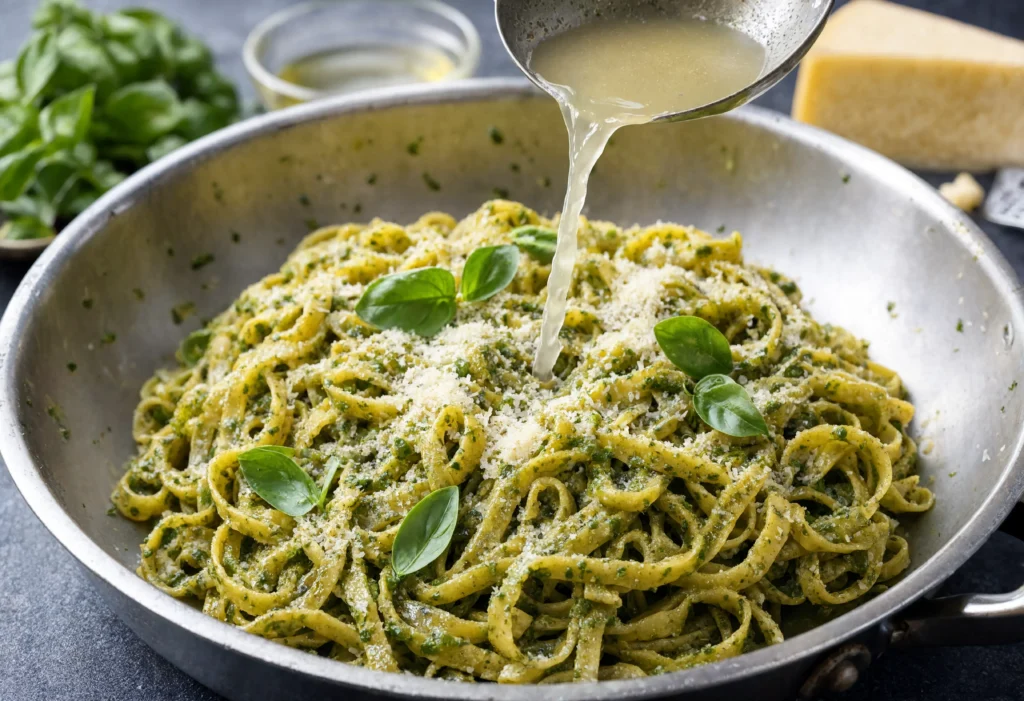
Never rinse fresh pasta under cold water after draining. That starchy coating is culinary gold.
Before draining, ladle out about ½ cup (120ml) of the cloudy pasta water. When you toss the drained pasta directly into your sauce pan over medium heat, add a splash or two of this reserved water. The starches emulsify with olive oil, butter, or cream, creating a silky, restaurant-quality coating that clings beautifully to every strand of hand-made fettuccine.
This technique — known as “mantecatura” in Italian kitchens — is what separates good home pasta from memorable, glossy dishes.
Crafting Quality: Why Ingredients Matter
Even the best technique shines brightest with superior ingredients. That’s why discerning Vancouver cooks seek out best pasta in Vancouver made from organic, additive-free flours. High-quality fresh pasta behaves predictably in the pot, holds its shape, and delivers superior taste and nutrition.
At Fresh Solo Pasta, the focus on pure ingredients appeals to health-conscious diners. Their selection includes options perfect for those seeking vegan Italian food in Vancouver and halal-friendly ingredients, proving that premium pasta can be both inclusive and exceptionally delicious.
Where to Find the Best Fresh Pasta in Vancouver?
For busy foodies and home cooks across the city, convenience matters as much as quality. Fresh Solo Pasta stands out as Vancouver’s trusted neighborhood destination for artisanal fresh pasta. With three local branches across the city, grabbing dinner ingredients is effortless:
- Denman St in the West End
- Granville St in Marpole
- Sasamat St in West Point Grey
Whether you prefer quick pick-up or delivery, you can bring restaurant-quality organic pasta in Vancouver straight to your kitchen. Their hand-crafted varieties make it simple to practice everything you’ve learned in this guide tonight.
Ready to Master Fresh Pasta Tonight?
Cooking fresh pasta is one of the fastest ways to bring sophisticated Italian comfort to your table. With the right techniques — generous salted water, precise timing, and that magical starchy pasta water — you’ll achieve al dente perfection consistently.
Skip the prep work and the guesswork. Head to Fresh Solo Pasta online or visit one of their convenient locations to stock up on premium, hand-rolled pasta made with care and the finest ingredients. Your next bowl of silky fettuccine, vibrant pappardelle, or perfectly filled ravioli awaits.
Order fresh, organic, and hand-made pasta today and transform your weeknight dinners into memorable culinary moments. Buon appetito!
Frequently Asked Questions About Cooking Fresh Pasta
Can I cook fresh pasta straight from frozen?
Yes! Fresh pasta freezes beautifully. There’s no need to thaw it first. Simply add the frozen nests or strands directly to a rolling boil and increase the cooking time by about 30–60 seconds. This makes Fresh Solo Pasta portions perfect for meal prep.
How should I store fresh pasta to keep it at its best?
Keep fresh pasta in the refrigerator for up to 2–3 days in an airtight container or the original packaging. For longer storage, freeze it in a single layer on a tray before transferring to a freezer bag (up to 2 months). Always shake off excess flour before cooking, whether fresh or frozen.
Why does my fresh pasta sometimes stick together during cooking?
The most common reasons are insufficient water, not stirring right after adding the pasta, or too much excess dusting flour. Use a large pot with plenty of water, stir gently once the pasta goes in, and remember to shake off extra semolina before boiling.
Is fresh pasta healthier than dried pasta?
Fresh pasta made with high-quality organic ingredients and fewer additives is often easier to digest and has a cleaner nutritional profile. Many options from Fresh Solo Pasta are lower in processing and available in egg-free, vegan, and organic varieties — ideal for health-conscious Vancouver diners.
Can I use fresh pasta in baked dishes or soups?
Absolutely. For baked casseroles like lasagna, slightly undercook the pasta (1 minute less) so it finishes cooking in the oven without becoming mushy. In soups, add the fresh pasta toward the very end of cooking so it stays perfectly al dente.
What are the best sauces for fresh pasta?
Fresh pasta shines with lighter, delicate sauces that let its silky texture stand out — think brown butter and sage, simple olive oil with garlic and chili, creamy Alfredo, or classic pesto. Save that starchy pasta water to help any sauce cling beautifully.
How do I know if my fresh pasta has gone bad?
Fresh pasta should smell clean and slightly sweet. Discard it if you notice a sour or off odor, discoloration, or sliminess. Properly stored pasta from quality sources like Fresh Solo Pasta stays fresh longer.
Does the type of flour affect cooking time?
Yes, slightly. Organic and Tipo 00 flour pastas often cook a bit faster and more evenly than standard varieties. Always start checking for al dente texture at the earlier end of the recommended fresh pasta cook time.